Effective Strategies for Corporate Catering Success in Wollongong
Table Of Contents
Ensuring Consistent Quality and Presentation
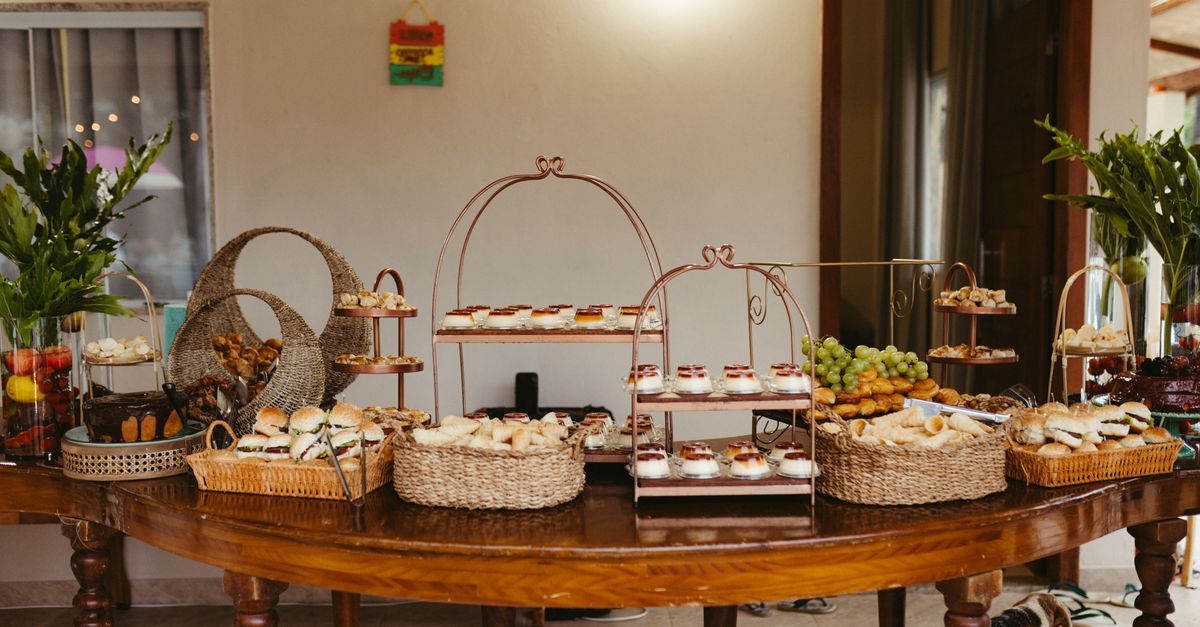
Quality and presentation play a pivotal role in corporate catering. Clients expect not only delicious food but also visually appealing dishes that enhance their event experience. Consistency in these areas builds trust and encourages repeat business. It is essential to establish standard operating procedures for food preparation and presentation. This includes guidelines on portion sizes, plating styles, and using appropriate serving ware, ensuring that every dish meets the same high standard before it reaches the table.
In addition to these operational standards, regular training sessions for staff can further uphold quality and presentation. Teaching employees about the importance of aesthetics in food service fosters a culture of excellence. This can be complemented by engaging chefs and catering teams in creative workshops, allowing them to explore new trends and presentation techniques. By maintaining a focus on both quality and presentation, catering businesses in Wollongong can significantly enhance their reputation and attract a loyal clientele.
Training Staff to Maintain Standards
Providing comprehensive training for staff is crucial to uphold the standards set by a corporate catering business. Regular workshops and training sessions can equip employees with the necessary skills to deliver consistent quality in food preparation and service. Emphasis should be placed on teaching techniques that enhance presentation and customer interaction, which significantly contribute to a positive client experience.
Mentorship programmes can also be beneficial, allowing experienced staff to guide new employees. This hands-on approach fosters a culture of excellence and accountability. Additional evaluations and refresher courses should be implemented to keep all team members updated on the latest industry trends and advancements. Continuous improvement and adaptation can help maintain high standards that resonate with clients in Wollongong.
Effective Marketing Strategies
A solid marketing strategy is vital for corporate catering businesses aiming to thrive in Wollongong’s competitive landscape. Businesses can leverage a mix of digital and traditional advertising methods. Creating an enticing website, optimised for mobile devices, can attract potential clients. Additionally, utilising search engine optimisation techniques can help increase visibility online. Engaging with local publications and attending community events can also enhance brand recognition and reputation.
Social media platforms serve as powerful tools for reaching a broader audience. Regular posts showcasing catering services, behind-the-scenes content, and testimonials can foster a connection with potential clients. Collaborating with local businesses and influencers can extend reach and create valuable networking opportunities. These strategies, when consistently applied, not only increase brand awareness but also build trust within the community essential for long-term success in catering.
Utilizing Social Media and Local Networking
Engaging with the local community through social media platforms provides an effective avenue for corporate caterers to showcase their offerings. Regular posts featuring high-quality images of food, events, and behind-the-scenes preparation can attract attention and showcase the brand's unique identity. Creating informative content that shares tips on catering, seasonal menu changes, or event planning helps establish expertise within the industry. Responding to comments and engagement fosters a sense of community and encourages potential clients to connect.
Local networking is equally important in building lasting relationships with businesses and event planners. Attending community events, trade shows, or local markets creates opportunities to meet potential clients face-to-face. Collaborating with other local businesses can lead to mutual referrals and joint events, enhancing visibility within the community. Building a solid presence both online and offline strengthens brand recognition and contributes to a successful corporate catering enterprise.
Gathering Feedback for Continuous Improvement
Feedback is a crucial element in refining corporate catering services. Gathering client opinions helps identify strengths and areas for improvement. Implementing client surveys can be an effective method to collect insights after events. Short, targeted questions yield valuable responses without overwhelming clients. Encouraging honest feedback creates an environment of transparency. This approach ensures that businesses remain responsive to client needs and preferences.
In addition to surveys, actively seeking reviews on platforms like Google and social media can enhance credibility. Positive reviews serve as testimonials and attract potential clients. Addressing any negative feedback promptly demonstrates commitment to service excellence. Regularly monitoring feedback allows catering services to stay in tune with industry trends and customer expectations. Emphasising continuous improvement strengthens relationships with clients and fosters loyalty.
Implementing Client Surveys and Reviews
Understanding client preferences is vital for corporate catering success. Implementing client surveys allows businesses to gather valuable insights regarding their experiences and expectations. These surveys can cover a range of topics, including food quality, service efficiency, and overall satisfaction. By analysing the responses, catering companies can identify areas for improvement and make necessary adjustments to their offerings.
Encouraging clients to leave reviews contributes significantly to establishing credibility. Positive testimonials can be showcased on websites and social media platforms, attracting potential customers. Conversely, constructive feedback provides opportunities for growth. Addressing concerns raised in reviews not only enhances service delivery but also demonstrates a commitment to client satisfaction. Regularly revisiting this feedback loop is essential for maintaining high standards and ensuring ongoing client loyalty.
FAQS
What are some key factors to ensure consistent quality in corporate catering?
Key factors include using fresh ingredients, standardising recipes, and maintaining strict hygiene practices to ensure that every dish meets quality expectations.
How can staff training contribute to the success of corporate catering?
Staff training is essential for ensuring that team members understand food preparation, presentation standards, and customer service expectations, which helps maintain consistency and quality across all events.
What marketing strategies are effective for promoting corporate catering businesses in Wollongong?
Effective marketing strategies include leveraging social media platforms, engaging in local networking events, and creating partnerships with businesses to reach potential clients.
How can social media be utilised for corporate catering marketing?
Social media can be used to showcase menu offerings, share client testimonials, post high-quality images of events, and engage with potential customers through interactive content and promotions.
What methods can be implemented to gather feedback from clients?
Implementing client surveys and encouraging online reviews after events can provide valuable insights into customer satisfaction and areas for improvement, helping to refine services continuously.
Related Links
Corporate Catering Trends: What Wollongong Businesses Need to KnowEco-Friendly Catering Solutions for Corporate Events