Key Milestones to Consider in Your Event Catering Timeline
Table Of Contents
Scheduling Tastings
Setting a date for tastings is crucial in the event catering timeline. This allows you to assess the quality of the dishes being offered and ensures they meet your expectations. It’s advisable to schedule the tasting well in advance of the event, ideally a few months prior. This gives you ample time to evaluate options, make adjustments if necessary, and ensure the selected menu aligns with the theme of the event.
Inviting key stakeholders to the tasting can be beneficial. This might include event planners, family members, or colleagues whose opinions you trust. Their feedback can provide different perspectives on the flavours, presentation, and overall appeal of the dishes. Consider seasonal ingredients when planning your menu, as this can enhance freshness and quality, leading to a more memorable culinary experience for your guests.
Ensuring Quality and Presentation
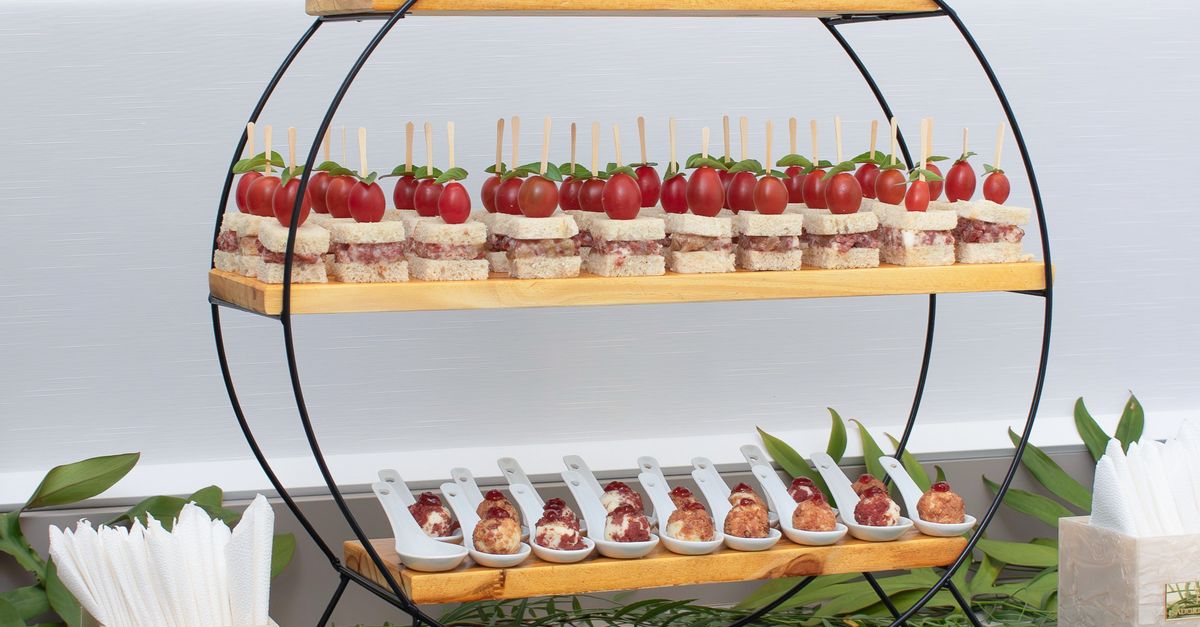
Quality and presentation are integral to the success of any event catering. When planning your menu, consider how each dish will be served and displayed. A well-arranged buffet or elegantly plated meals can enhance the overall atmosphere of your event. Incorporate seasonal ingredients to not only elevate flavour but also boost visual appeal. Pay attention to colour combinations and garnishes, as they contribute significantly to the first impression of the food.
Taste testing is essential in maintaining high standards. Schedule a tasting session with your caterer to sample dishes before the event. This process ensures that flavours align with your expectations and allows for adjustments if necessary. Encourage feedback from trusted guests during tastings; their insights can guide final decisions. Highlighting local produce in your menu can further resonate with attendees and reflect a commitment to quality and sustainability.
Finalising Numbers and Logistics
A thorough understanding of the final guest count is crucial for event catering. This number guides not only the quantity of food and beverages required but also influences the types of dishes that can be offered. Factors such as dietary restrictions and varying preferences should be taken into account when finalising these details. The catering team will often need this information well in advance to ensure seamless execution on the day of the event.
Logistics play a significant role in the catering process. Confirming delivery times, setting up equipment, and coordinating staff are essential steps that cannot be overlooked. Having a well-organised plan ensures that everything runs smoothly and guests receive their meals promptly. It is advisable to create a timeline that outlines key tasks and responsibilities to keep everyone aligned and informed.
Confirming Guest Count and Event Layout
Accurate guest count is crucial for effective catering planning. This number directly influences the quantity of food and beverages required, ensuring that no one goes hungry while minimising waste. It is advisable to request RSVPs well in advance, as this provides a clearer picture of attendance. Consideration must also be given to any dietary restrictions or special requirements that guests may have, allowing the catering team to accommodate everyone appropriately.
Event layout is another essential aspect to address alongside guest numbers. A well-thought-out layout enhances guest experience and facilitates smooth service. Factors such as the arrangement of tables, placement of food stations, and dance floor location should all be considered. Collaborate with the catering team and venue staff to ensure that the layout accommodates both functionality and aesthetics, creating an inviting atmosphere for attendees.
Communicating with Vendors
Effective communication with vendors is integral to a successful event. Clear expectations should be established early on to avoid misunderstandings later. Regular check-ins help build rapport and ensure everyone is aligned with the event's vision. It’s advantageous to document agreements and details in writing, providing a reference point for all parties involved.
Timelines are essential when coordinating with multiple vendors. Sharing a detailed schedule allows for each vendor to understand their role in the event. This includes arrival times, set-up procedures, and any necessary equipment requirements. Ensuring all vendors are aware of their responsibilities fosters a collaborative atmosphere and enhances the overall efficiency of event preparation.
Establishing Clear Timelines and Roles
A well-structured timeline is essential for smooth event catering. This involves breaking down each phase of the planning process into manageable tasks. Start by mapping out deadlines for each activity, from initial discussions to final confirmations. Assign roles to team members, ensuring everyone knows their responsibilities. This clarity helps prevent last-minute stress and keeps the planning process on track.
Regular communication between the catering team and other stakeholders is vital for addressing any concerns that may arise. Establish a routine for check-ins to assess progress and make any necessary adjustments. Clear timelines promote accountability, allowing the team to focus on delivering quality service. When everyone understands their role and the timeline, it sets the stage for a successful event, ensuring that every detail aligns with the client's vision.
FAQS
What is the importance of scheduling tastings in my event catering timeline?
Scheduling tastings is crucial as it allows you to sample the menu options, ensuring the quality and taste meet your expectations. It also provides an opportunity to discuss presentation details and make adjustments if necessary.
How can I ensure the quality and presentation of the food at my event?
To ensure quality and presentation, communicate your expectations clearly with the catering team during tastings. Consider incorporating specific requests for presentation styles and monitor the quality leading up to the event.
Why is it important to finalise the guest count early in the planning process?
Finalising the guest count early helps in planning the catering logistics effectively, ensuring adequate food and resources are available. It also assists in determining the layout of the event space to accommodate all guests comfortably.
How do I confirm the event layout with my catering team?
Confirm the event layout by discussing it with your catering team during the planning stages. Share your vision for the event and work together to create a layout that optimises space and enhances guest experience.
What should I consider when communicating with vendors about catering timelines?
When communicating with vendors, establish clear timelines for each phase of the process, including tastings, confirmations, and deliveries. Assign roles to team members to ensure everyone knows their responsibilities, facilitating a smooth event execution.
Related Links
Tips for Setting Realistic Deadlines for Catering OrdersManaging Last-Minute Changes in Your Catering Timeline